

“I still can’t believe they are here with me”: A mother’s decade-long wait to be reunited with her children
“As a mother, it broke my heart when my youngest daughter said she had forgotten what I looked like. She struggled to picture my face, she said. She and her older sister had last seen me 10 years ago when they were seven and eight. They are all grown up now and finally here with me in London. I sometimes go to their room at night just to watch them sleep and remind myself that they really are here.
Over a decade ago, I fled political persecution in Congo and travelled to South Africa. But sadly, I faced more violence and death threats there and needed to flee again. I decided to go to the UK as I had previously travelled there for work. I left my three daughters with a friend and did not take them with me in case I would get caught and I didn’t want to put them in danger. Before leaving, I hugged them and whispered in their ears that I would see them again soon. It took me more than ten years to keep that promise. Even now, not completely… my eldest daughter is still in South Africa.
Being separated from my daughters left me depressed. At times, I felt suicidal. When I walked outside and saw other mothers with their children, the pain was unbearable. I would sometimes hear voices of children in my head. I was just lonely and heartbroken.
I was granted refugee status in the UK in spring 2024, and the Helen Bamber Foundation quickly supported me with my family reunion application. After a long wait, it was finally approved. You can’t imagine the joy I felt when my two daughters arrived in the UK in autumn of 2025. I went to the airport to pick them up and we haven’t left each other alone since. The Christmas we had after a decade apart was so special, I don’t think turkey has ever tasted that good.
They study at university in London now. They are so intelligent. One is studying to become an engineer and the other is training to be a nurse. When they come home, we spend the whole evening curled up on the sofa, talking far beyond their bedtime. They just want to spend all their time with me. There is so much to catch up on… so many years I missed.
I love cooking for them. I want to make all the African dishes that remind me of home. But they don’t really want those. They grew up in a church community where they mostly ate Western food, so I cook things like spaghetti for them. Even then, they tell me there’s a specific way they’re used to eating it, so they guide me on how to make it just right. It’s not easy. I often wish I had been able to cook for them throughout their childhood. African food that I grew up eating.
I wish my eldest daughter could join me here too. She is still in South Africa, reliant on a church community. She is now 21, which means her application for family reunion in the UK is much more complicated.
I feel less depressed now that two of my children are here, but I know I will only truly recover when my eldest joins us. She is very alone and struggling with depression, and she has even been in hospital. It breaks my heart to think of her there.
When the UK government plans to make refugee family reunion more difficult, they should ask themselves: how will this affect families like mine? Mothers like me?
I always believed the UK was a place where families could be reunited, not torn apart. On Mother’s Day, I want the government to think about the real impact of their policies and not let other parents go through the tragedy of their children forgetting what their mother or father looks like.”
- By Rose (name changed), a client of the Helen Bamber Foundation.
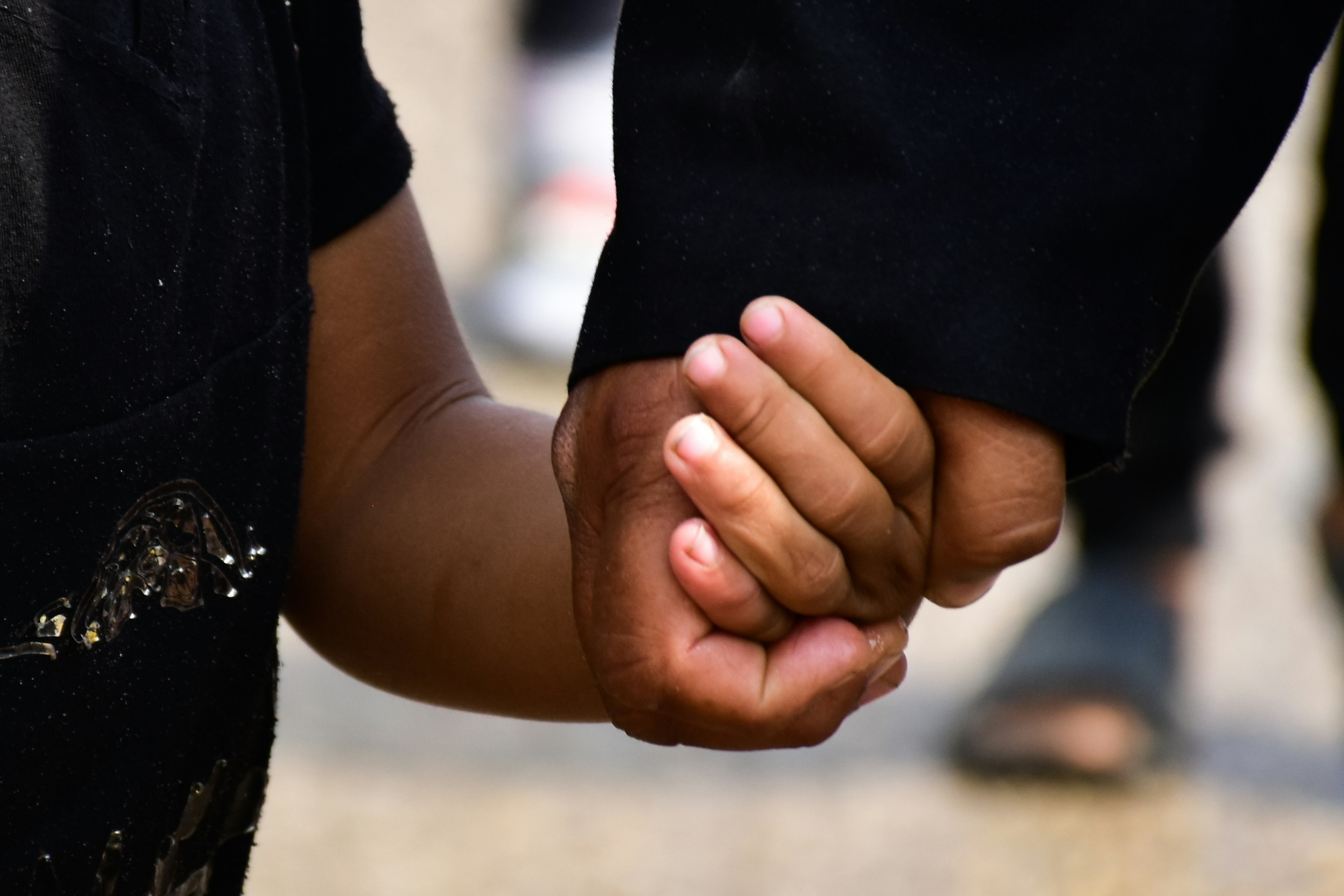
Rose is one of hundreds of refugee parents in the UK whose children and families remain in conflict zones around the world, facing serious risks without the support of a parent or close relative. Refugee family reunion remains one of the few safe and viable ways for loved ones, particularly women and children, to reach protection in the UK.
In the year ending June 2025, 1,280 refugee family reunion visas were granted, 93% of which went to women and children, with more than half issued to children. Two-thirds went to people from Syria, Afghanistan, Eritrea, Iran and Sudan.
Yet in September last year, the government suspended refugee family reunion applications and announced plans to end automatic reunion rights for people granted asylum in the UK. Under these proposals, refugees will only be able to apply for family members to join them through existing family migration routes.
These routes have far stricter requirements, including minimum income thresholds, accommodation rules and high application fees. They may also require English language tests and extensive documentation.
Introducing income thresholds, high fees and language requirements will make family reunification longer and more difficult. Navigating these complex processes usually requires specialist legal advice, but legal aid for this work is so poorly funded that very few lawyers are able or willing to take on such cases. These additional barriers create delays for families already living in dangerous conditions; delays that can often be a matter of life and death.